Suresh Punjabi

Thursday · Cascais · Good morning

I tried to do everything myself. Help saved me. Now I write.

I spent twenty years as a CEO doing every job in the company myself. In 2026 I tried to do it all alone again, and it broke me. Software, and the team the company hired, got me back on my feet. This page is what happened, with dates and sources.

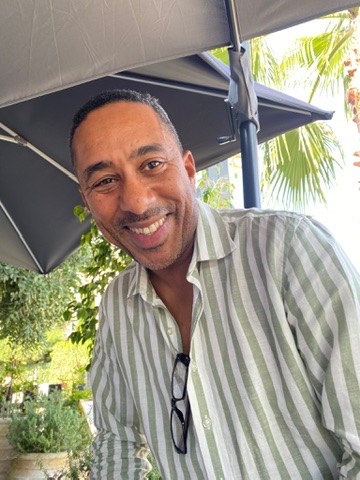
Suresh in a garden at golden hourCascais · 2026
Built2 companies1993 – 2012
SoldBoth, July 2012To JT Group
FoundedVive · Tree of HopeTeams run them
NowWriting weeklyFrom Cascais

The story · in six chapters

No slogans. Just what happened.

Every chapter has a date, what I actually did, and something you can check.

Chapter one1993 – 2012

I built two companies and did every job in both.

I started in 1993 as a corporate communications consultant: one client and a phone. In 1995 I incorporated Corporate Communications (Europe) Ltd. In 2003 I started Worldstone, an international voice, data and contact-centre business with partners in more than 100 countries.

I was the CEO, and also the salesman, the finance director, the lawyer, the hiring manager and the person who answered the phone at night. That was the job as I understood it.

Check it

  • July 2012: JT Group bought both companies. Reported by Comms Business and the Guernsey Press.
  • Clients included Monsoon and Barclays. With Barclays we ran early Voice over IP trials.
Chapter two2012 – 2025

I sold, then spent thirteen years chasing the next one.

I had too many ideas and finished too few of them. I worked fifteen- to seventeen-hour days on plans rather than products. I became a father twice, and I wasn't fully there for either of my boys.

What I learned was what that success had cost, and that you don't see the bill until late.

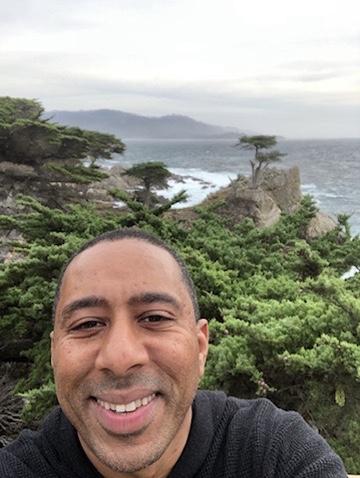
Suresh at the Lone Cypress, California
Chapter three2026

I tried to do it all alone again. It failed, at home and then in hospital.

We moved the family to Cascais and settled the boys into a new school. I started designing a new venture and tried to carry every function of it myself, before it had a company or a team.

First it broke at home. Then my body stopped me, at half past three in the morning, and I ended up in hospital. At 55, with an eight-year-old and a five-year-old, you listen.

What actually broke

  • Too many jobs held by one person, and no one to hand them to.
  • No sleep and no slack, so every small problem became an emergency.
  • In hospital I couldn't do any of the jobs, and nothing kept moving without me.
Chapter fourThe rescue

Software, and the team the company hired, took over the jobs I used to do at 3am.

My superpower was never doing all of it. It was knowing how all of it fits together, after twenty years of being every department. AI can now carry most of that knowledge. People check it, sign it off and do the human parts.

The jobBeforeNow
Finance and booksMe, late at nightSoftware drafts; a professional signs off
Contracts and legalMe, from templatesSoftware drafts; a lawyer decides
Design and brandMe, by instinctA written system that everyone works from
Building the productHiring, then waitingPrototypes in days; the team ships them
Writing and commsNever got doneMe. This is the one job I kept.
Chapter fiveNow

I write every morning, and I publish every Saturday.

I walk every day, train three times a week, do the school run and sleep. Then I write about what it costs to do everything yourself, what it looks like to accept help, and how a CEO's knowledge can now be carried by software.

The series is called Alive. Part one is “The year the tree shook”.

The desk where the essays get written
Chapter sixWhat it became

I designed Vive and Tree of Hope. Their teams run them.

In hospital I noticed something I had already seen with my mum after her strokes. Everybody wants to help, and almost nobody knows how. That isn't a failure of love. It's a failure of organisation, and organisation is the thing I know.

Vive's line is Live well. Give back. Its first project is Tree of Hope. It turns “let me know if I can help” into a rota people actually keep.

Who does what

  • Vive and Tree of Hope are owned and run by their own companies, with their own teams.
  • I write, advise and mentor in a personal capacity.
  • Kim, the software, does the remembering. People do the caring. We always say which is which.

Three ways in

What would make today richer?

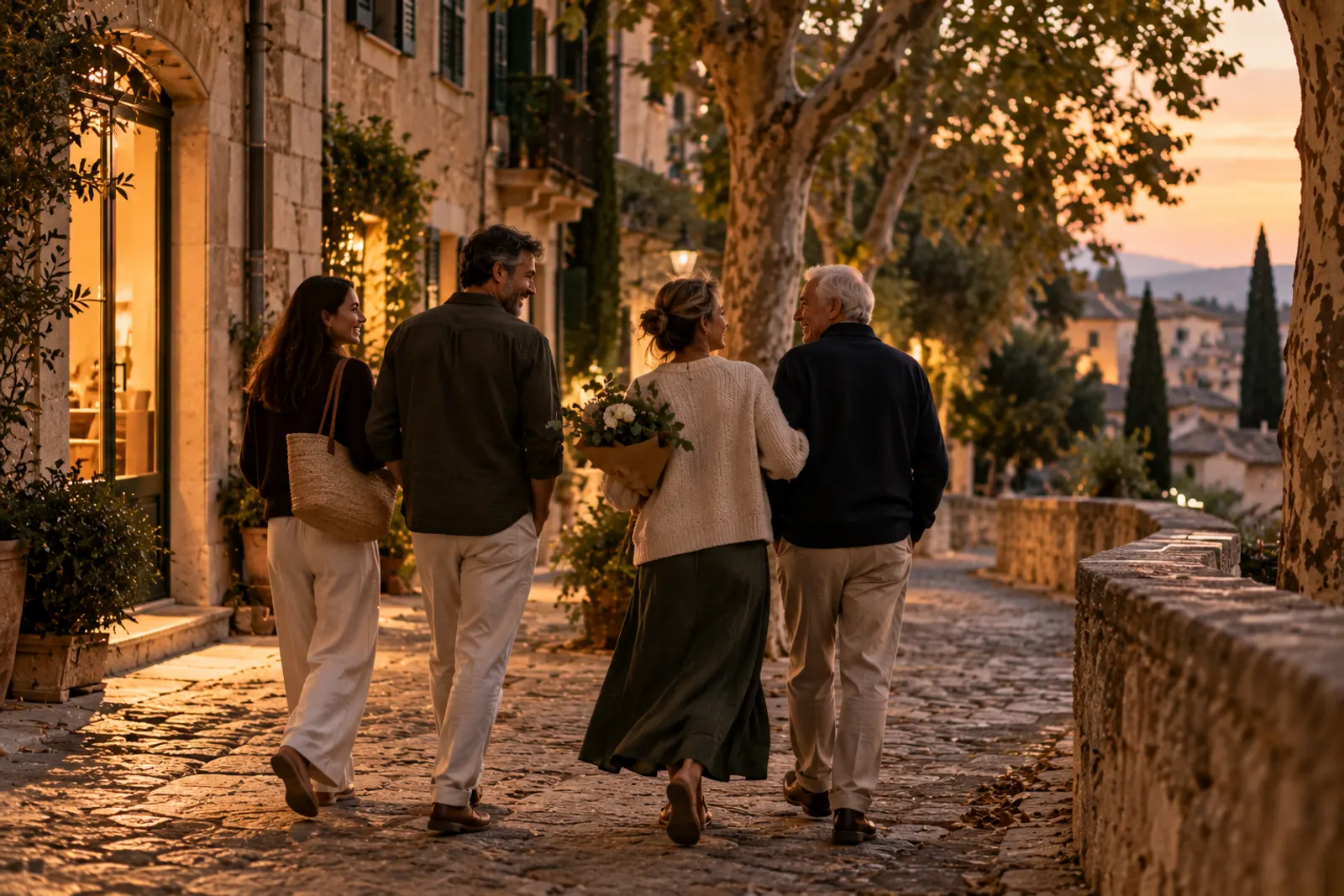
Door images are generated for Vive and show invented people.

A quiet window seat over the sea in morning light

Vive · Live well. Give back.

A life with room in it. For you, and for the people you love.

Generated image · invented Vive member

Amira's tree was planted this morning. Her sister has invited the people who love her.

Love from, Kim · Kim is software, not a person

Amira and her family are invented, to show how it works. Leaves are never counted, because kindness isn't a score.

Give · Tree of Hope

When someone is facing a hard year, Tree of Hope gives the people who love them a job each.

  1. Within days, one person plants a tree and invites family and friends.
  2. Everyone picks something real to do: a lift on Tuesday, a meal, a sit-with on Thursday, a note on a bad day.
  3. Kim does the remembering, so the patient isn't the one organising their own help.
  4. It keeps going for the first year, including week six, when the first wave of kindness has gone home.

Plant a tree for someone

Viveology.

What I learned the hard way

  • Success can cost more than it pays.
  • Asking for help isn't a weakness. It's how things get finished.
  • Fewer promises, kept, are worth more than a thousand plans.
  • The school run is not a lesser meeting.

Part one arrives 21 November

Giveology.

What I'm building toward

  • Everybody wants to help. Give them a way to.
  • Organisation is a form of love.
  • Software remembers. People care. Say which is which.
  • Live well. Give back. The two belong together.

In public, with dates

The next 30 days.

9 – 12 NovemberWeb Summit, Lisbon

I'm there. Ask me to show you the Tree of Hope prototype on my phone.

Saturday 21 NovemberLaunch: Alive. Part one

“The year the tree shook.” The first essay, and the first of one a week.

Date to confirmFirst families

Tree of Hope opens to a small group of invited families, run by its team.

Every SaturdayOne essay a week

Published here, on Substack and on LinkedIn. Promises kept, in public.

The thirty-second version

If someone asks who I am

I'm Suresh Punjabi. I built and sold two companies, and for twenty years I did every job in them myself. This year I tried that again and it failed, first at home and then in hospital. Software, and the team the company hired, saved me. Now I write, and I founded Vive and Tree of Hope, which help people help each other. I designed them; their teams run them.

Live well. Give back.

Vive

Generated image · invented people